
Elder Care: guides for patients and families.
Browse Diagnex Elder Care articles on caregivers, geriatric care, home safety, daily routines and support for ageing parents.
Find answers to common care questions.
50 articles · Page 2 of 5

How to Manage Wandering in Dementia at Home
Wandering in dementia can range from repeatedly pacing through the home to leaving the house and becoming lost. It may happen because the person is searching for someone, trying to follow an old routine, looking for the bathroom, feeling restless, responding to anxiety, or simply becoming disoriente

Dementia Home Safety Checklist for Families
A dementia home safety checklist helps families look at the home through the eyes of a person whose memory, judgement, attention, vision or sense of direction may be changing. A room that has been safe for years can become confusing when someone begins forgetting how appliances work, misjudging step

How to Choose a Dementia Caregiver at Home
Choosing a dementia caregiver at home is different from hiring someone only for companionship or household help. The caregiver may need to support a person who repeats questions, forgets instructions, resists bathing, wanders, becomes anxious in the evening, needs help with toileting, or can no long

How to Care for a Person with Dementia at Home
Caring for a person with dementia at home is not only about helping with memory. It means creating a routine that is understandable, keeping the home as safe as possible, supporting meals and medicines, responding calmly to behaviour changes, helping with personal care, and knowing when a new sympto

What Is Dementia Care at Home?
Dementia care at home is organised support that helps a person with dementia remain as safe, comfortable and independent as possible in familiar surroundings. It can include help with daily routines, supervision, medicines, meals, mobility, communication, behaviour changes, sleep, safety and coordin
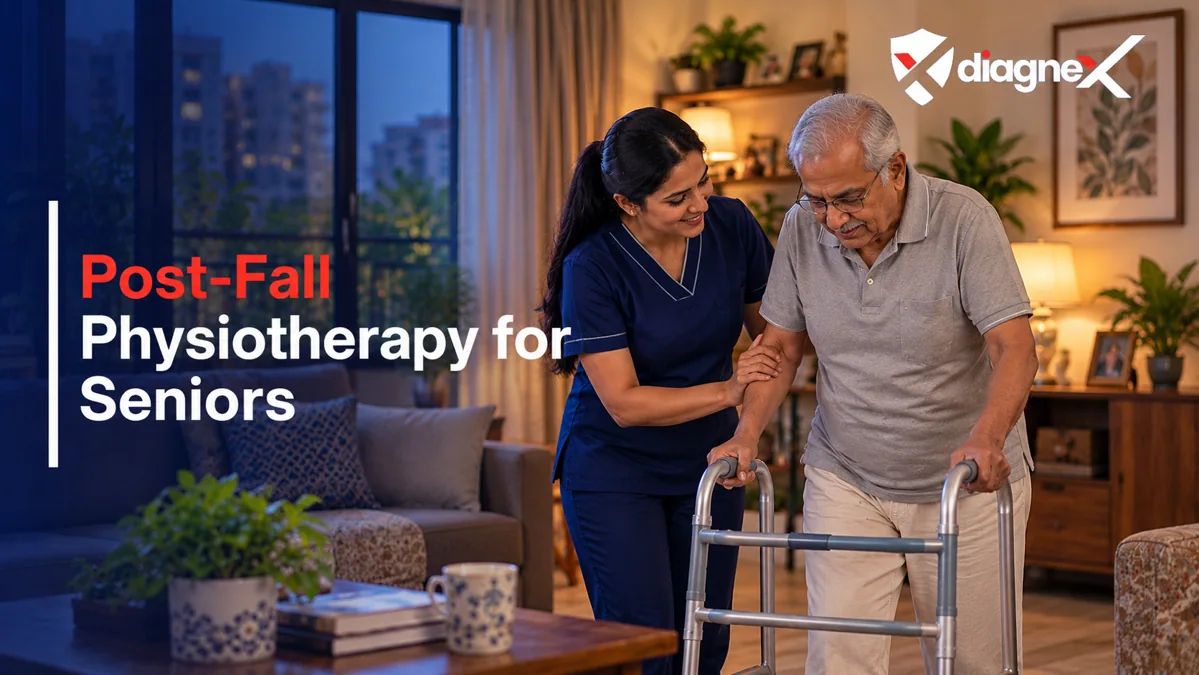
Post-Fall Physiotherapy for Seniors
A fall can affect much more than one painful joint or bruise. For many older adults, the weeks after a fall bring weakness, reduced confidence, slower walking, fear of falling again, and a tendency to avoid movement. Post-fall physiotherapy can help rebuild mobility after the immediate medical conce

Physiotherapy at Home for Elderly Adults: When Can It Help?
Physiotherapy for elderly adults at home can help when age, illness, injury, surgery, or a period of inactivity has made everyday movement harder. The goal is usually practical: helping the person stand more safely, walk with better control, transfer between bed and chair, manage steps, regain confi

Wheelchair Transfer Safety for Elderly Parents
Wheelchair transfers can become a major safety issue when an elderly parent has weakness, poor balance, pain or reduced mobility. A safe transfer is not simply a matter of lifting the person from one surface to another.…

Strength Exercises for Seniors at Home
Strength exercises for seniors at home can support everyday mobility, steadier transfers, better walking, and greater independence when they are matched to the person's current ability. For an older adult, strength training is not mainly about lifting heavy weights. It is about preserving enough mus

How to Help an Elderly Parent Walk Safely at Home
Walking assistance for elderly parents should make movement safer without creating unnecessary dependence. The aim is to give only the level of support the person needs, while helping them use appropriate footwear…

Night-Time Fall Prevention for Seniors
Night-time falls can be especially dangerous for older adults because they often happen when a person is sleepy, the home is dark, walking aids are out of reach or the person is rushing to the bathroom.

Bathroom Safety for Elderly Parents
Age-related changes in balance, strength, vision and mobility can make ordinary bathroom routines more difficult.
