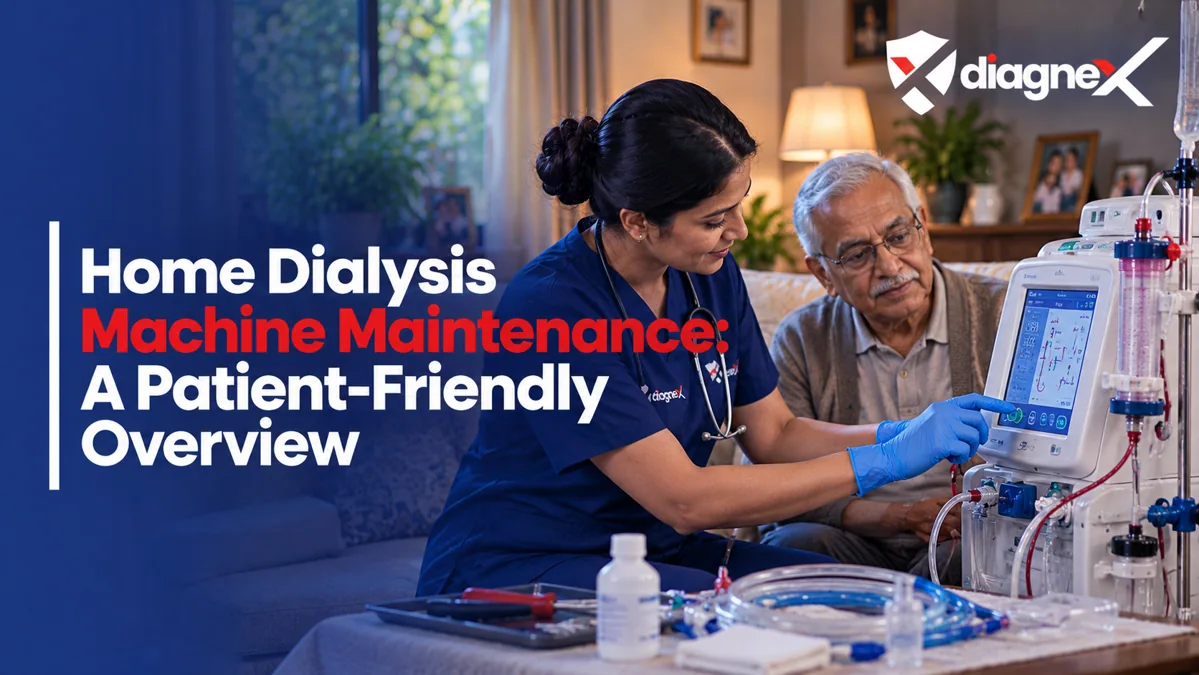

home dialysis machine alarms is an important part of planning safe home hemodialysis. Families researching dialysis machine alarms, home dialysis troubleshooting, and home dialysis safety should understand how these issues connect with emergency during home dialysis. The exact treatment, equipment and safety process should always follow the patient's nephrology and home dialysis team.
Home dialysis machine alarms are built to protect the patient and the treatment. They can warn about changes in blood flow, pressure, air detection, vascular access, dialysate or water conditions, power supply, temperature or the machine itself. Hearing an alarm can feel stressful, especially during the first weeks of home hemodialysis, but the alarm is usually doing exactly what it was designed to do: stop, pause or draw attention to something that needs to be checked.
The important skill is not memorising every possible alarm. It is learning which alarms the patient or care partner has been trained to manage, which ones require technical support and which situations mean the patient's symptoms take priority over the machine.
Because alarm messages and troubleshooting steps differ between dialysis machines, this article explains the principles behind common alarm categories rather than giving button-by-button instructions. The machine's own training, user guide and home dialysis support team should remain the operational reference.
Why Home Dialysis Machines Use Alarms
Hemodialysis moves blood outside the body through a controlled circuit and then returns it to the patient. The machine also manages fluid removal, dialysate delivery and several safety checks at the same time. Small changes in tubing position, access flow, pressure, water supply or equipment function can therefore matter.
Alarms are designed to detect changes before they become bigger problems. Some alarms may pause the blood pump. Others may stop dialysate flow, prevent treatment from starting or ask the user to confirm a connection. The exact response depends on the system.
Patients should think of alarms as safety messages rather than annoyances. Repeatedly silencing an alarm without resolving its cause defeats the purpose of the protection system.
Home Dialysis Training Should Include Alarm Response
Home hemodialysis programmes train patients and care partners to respond to machine alarms as part of the overall safety curriculum. Training commonly includes machine setup, infection prevention, vascular-access care, vital-sign monitoring, treatment documentation, machine cleaning and alarm response.
The goal of training is not to turn the patient into a service engineer. It is to build confidence with the specific checks that are safe to perform at home and to make the boundary for escalation very clear.
The First Rule: Look at the Patient as Well as the Machine
When an alarm sounds, the machine message matters, but so does the patient's condition. A patient who feels well and has a simple line-position alarm presents a very different situation from a patient who has chest pain, severe breathlessness, loss of consciousness or sudden severe weakness.
If the patient is acutely unwell, follow the emergency plan taught by the dialysis team and seek urgent medical care when indicated. Do not spend several minutes troubleshooting equipment while ignoring a serious clinical problem.
Common Categories of Home Dialysis Machine Alarms
Different manufacturers use different alarm names and codes, but most home hemodialysis alarms fall into a few broad categories. Understanding the category can make the message less intimidating even when the exact wording changes from one system to another. Common alarm categories include:
- Blood-flow and pressure alarms
- Vascular-access alarms
- Air-detection alarms
- Blood-leak alarms
- Dialysate or fluid alarms
- Water-treatment alarms
- Temperature alarms
- Power or battery alarms
- System, sensor or self-test alarms
Blood-Flow and Pressure Alarms
The dialysis machine continuously monitors pressure in the blood circuit. A sudden change can occur if tubing is kinked, the patient's position changes, a needle position changes, a clamp is closed or there is another restriction in the circuit.
Patients are usually trained to perform a limited set of visual checks when a pressure alarm occurs. These may include checking for an obvious kink, confirming that tubing is not trapped and reviewing the access position according to the training provided. If the pressure remains abnormal after the trained checks, the patient should contact the home dialysis support team rather than repeatedly restarting treatment.
Why Repeated Pressure Alarms Matter
A single pressure alarm can sometimes be explained by a temporary change in position. Repeated pressure alarms across the same treatment or several treatments deserve more attention.
The pattern may point to a recurring tubing issue, access-flow problem or another cause that needs review by the dialysis team. Recording when the alarm occurred and what was happening at the time can help the clinical team investigate more efficiently.
Vascular-Access Alarms
Some alarms may reflect a problem with blood flow through the vascular access. This can relate to a fistula, graft or catheter, depending on the patient's treatment setup. For more on the practical service arrangements, review dialysis on wheels before deciding what information the care team needs.
Patients should follow the exact access-related steps taught by their programme. They should not repeatedly reposition needles or manipulate a catheter beyond their training simply to make an alarm disappear. Pain, swelling, bleeding, unusual resistance, visible access changes or repeated flow problems should be reported to the dialysis team.
Air-Detection Alarms
Dialysis machines include air-detection systems because air should not enter the patient's bloodstream. When the machine detects air or suspects air in the return line, it may stop the blood pump and prevent blood from being returned until the situation is assessed.
This is a safety-critical alarm. The patient should follow the machine-specific instructions exactly and should not bypass the detector or override the alarm. If the cause is not immediately resolved using the trained procedure, contact the home dialysis support team.
Blood-Leak Alarms
A blood-leak detector monitors the dialysate side of the system for signs that blood may be crossing the dialyzer membrane or appearing where it should not be. A blood-leak alarm requires the response taught for the specific machine. It should never be ignored or repeatedly reset simply because the patient feels well. Some blood-leak events can also affect the machine's cleaning or disinfection requirements afterward, which is another reason to follow the manufacturer's and provider's instructions rather than improvising.
Dialysate or Fluid Alarms
The dialysis machine monitors the fluid used during treatment. Alarms can relate to flow, conductivity, composition, temperature or other parameters depending on the system.
These alarms may prevent dialysis from starting or may pause treatment because the machine cannot confirm that the dialysate is within the required operating range. Patients should not try to alter internal calibration or service settings. If the machine's trained troubleshooting sequence does not clear the alarm, technical support should be contacted.
Water-Treatment Alarms
Home systems that use household water may have alarms related to the RO unit, source-water pressure, water quality or the water-treatment pathway. A water-treatment alarm is part of the clinical safety system because the dialysis machine depends on appropriately treated water.
The patient may be trained to check obvious issues such as whether the water supply is available or whether the equipment is connected correctly. More technical water-quality or equipment problems belong with the support team. If required water-safety checks have failed or a water-treatment alarm remains unresolved, treatment should not continue by guesswork.
Temperature Alarms
Dialysis machines monitor temperature because dialysate outside the intended range can be unsafe. Temperature alarms can occur during warm-up, setup or treatment depending on the machine.
A patient should not attempt to bypass temperature controls or manually alter the machine beyond the steps included in training. If the system does not return to the acceptable range, support should be contacted.
Power Alarms and Power Failure
A power interruption can trigger alarms or stop treatment completely. The correct response depends on whether the outage is brief, whether the machine has backup power and what stage of treatment was underway.
Patients should know the machine-specific power-failure procedure before beginning home dialysis. After power returns, some systems may require a recovery, rinse or safety check before treatment can continue. The safest approach is to follow the trained procedure rather than assuming the session can restart exactly where it stopped.
System or Self-Test Alarms
Home dialysis machines perform internal checks during startup and operation. A failed self-test, sensor fault or internal system message may prevent the machine from being used until the issue is resolved.
This type of alarm is usually not something the patient should repair. If the system remains unavailable after the approved user steps, the technical support pathway should be used.
When an Alarm Is Usually Appropriate for Basic Home Troubleshooting
Home dialysis training may teach the patient to manage a limited number of straightforward problems. Examples can include visually checking a line, confirming a connection, repositioning themselves according to training or following an on-screen prompt.
The safe rule is simple: only perform the troubleshooting steps that were specifically taught for that machine and treatment programme. If the alarm does not clear promptly after those steps, escalation is safer than improvisation.
When to Call Technical Support
Technical support should be contacted when the alarm is unfamiliar, persists after the trained checks, repeatedly returns or prevents the machine from completing setup, treatment, rinse or disinfection. It is also appropriate to call when there is an unexplained leak, unusual noise, burning smell, failed self-test, repeated power fault or water-treatment problem. A good home dialysis programme should tell families exactly which number to call and whether support is available outside normal hours.
When to Call the Clinical Team
Some alarm situations raise clinical questions rather than purely technical ones. Repeated access alarms, unusual bleeding, pain at the access site, worsening blood-pressure symptoms, repeated treatment intolerance or uncertainty about whether the session can safely continue may require the dialysis nurse or nephrologist rather than only the equipment team. Patients should know the difference between the technical support number and the clinical escalation number, even if the provider coordinates both through one service line.
When to Seek Urgent Medical Care
Urgent medical attention may be needed when the patient develops serious symptoms such as: This detail should be confirmed with the home dialysis team because the exact process depends on the patient's machine, vascular access and prescription. This point is part of home dialysis machine alarms, and the exact home procedure should follow the patient's dialysis programme and selected equipment.
- Chest pain
- Severe breathing difficulty
- Loss of consciousness
- Sudden severe weakness
- Severe uncontrolled bleeding
- A rapidly worsening allergic or medical reaction
These symptoms should not be managed as machine-alarm problems. The patient's condition takes priority.
Do Not Silence an Alarm and Walk Away
Silencing a sound is not the same as resolving the cause. If an alarm is muted temporarily while the patient performs a trained check, the underlying condition still needs to be addressed before treatment continues.
Patients should not become accustomed to recurring alarms as if they are normal background noise. A pattern deserves review.
Do Not Bypass Safety Sensors
Safety sensors exist because the machine is monitoring conditions that may not be visible to the patient. Air detectors, blood-leak detectors, pressure monitors and water-quality controls should not be bypassed, disabled or covered. If a sensor appears to be malfunctioning, the correct response is technical assessment, not finding a way around it.
Do Not Change Service Settings
User settings and service settings are not the same thing. Patients should use only the menus and controls included in their training. Internal calibration, engineering menus, sensor thresholds and service codes should remain with authorised technical personnel. If the family is considering support at home, the Diagnex guide to home nursing explains the service pathway and its limits.
What if the Same Alarm Keeps Returning?
A repeating alarm should be documented and reported even when it can temporarily be cleared. The recurrence itself is useful information because it can reveal a pattern that is not obvious from one event. Note the alarm message or code, when it happened, whether the patient had changed position, whether it occurred before or during treatment and what trained step cleared it.
Why Writing Down the Alarm Helps
Alarm logs make troubleshooting more efficient. A technical or clinical team can often identify patterns more quickly when they know the exact message, timing and circumstances. A simple record can include:
- Date and time
- Alarm message or code
- Stage of treatment
- What the patient was doing
- What trained step was tried
- Whether the alarm cleared
- Who was contacted
Alarm Fatigue at Home
When alarms occur frequently, patients and caregivers can become less attentive to them. This is sometimes called alarm fatigue. It is particularly risky in home dialysis because the user is the first person expected to respond.
The answer is not to become faster at silencing alarms. It is to identify why alarms are recurring and work with the dialysis or technical team to reduce preventable causes.
Anxiety Around Dialysis Machine Alarms
Alarm anxiety is common during early home dialysis training. Patients may worry that every beep means an emergency or that they will not know what to do.
Structured practice helps. The home-training team can review common alarms, explain which ones are routine and rehearse when to call for help. Confidence should come from knowing the escalation pathway, not from trying to memorise every possible technical fault.
How Caregivers Can Help During an Alarm
A trained care partner can help by staying calm, reading the alarm message, watching the patient, following the trained checks and contacting support when required. The caregiver should avoid creating confusion by pressing unfamiliar controls or giving instructions that differ from the home dialysis training.
Alarms During Night-Time Home Hemodialysis
Some patients perform longer or nocturnal home hemodialysis depending on the prescribed programme. Alarm planning is especially important when treatment occurs during sleep or overnight hours.
The patient and care partner should understand how the specific machine alerts them, what monitoring is required and how to contact support at night. Nocturnal dialysis should follow the programme's eligibility, training and monitoring requirements.
Alarms During the First Few Treatments at Home
The first treatments at home can feel different from training because the equipment, room layout and routine are now part of the household environment. Minor positioning or workflow issues may become apparent. Families should report recurring alarms early so the home-training team can determine whether the cause is technique, room setup, access position or equipment.
Alarms After the Machine Has Been Moved
If the machine has been moved, disconnected or reinstalled, new alarms should not automatically be treated as routine. Connections, water supply, drainage and power may have changed. Relocation should follow the provider's process, and the equipment may need reassessment before routine treatment resumes.
Alarms After a Power or Water-Supply Change
A building power event, plumbing repair, water-source change or pressure problem can affect the dialysis setup. If alarms begin soon after one of these events, that context should be reported to the support team. It can help the team distinguish a machine problem from a household utility problem.
Alarms and the Vascular Access
Not every pressure or flow alarm means the machine is at fault. The vascular access is part of the blood circuit, so changes in fistula, graft or catheter performance can affect the readings the machine sees. Repeated access-related alarms should therefore be discussed with the clinical team, particularly when they are associated with swelling, pain, bleeding or reduced flow.
Alarms and Patient Position
Body position can sometimes affect tubing, needles or access flow. A trained patient may be asked to check whether a line is compressed or whether a specific position is contributing to the alarm. However, the patient should not repeatedly manipulate needles or access devices beyond the technique taught by the dialysis programme.
Alarms and Kinked Tubing
Tubing can occasionally become bent, compressed or trapped. This may affect pressure and flow. Visual inspection is one of the basic checks commonly included in home dialysis training. The patient should never disconnect or reconfigure the blood circuit outside the procedures they have been trained to perform.
Alarms and Clamps
A clamp in the wrong position can sometimes affect treatment flow. Patients should follow the machine's setup checklist and trained troubleshooting sequence rather than moving every clamp in response to an alarm. When the correct configuration is unclear, stop and contact support.
Alarms During Cleaning or Disinfection
An alarm can also occur when the machine is not treating the patient. Cleaning, rinse and disinfection cycles may have their own warnings related to water, chemicals, temperature or incomplete processes.
A failed disinfection cycle matters because the machine may not be ready for the next treatment. Do not skip required cleaning simply because no patient is connected at that moment.
What if an Alarm Appears Before Treatment Starts?
A pre-treatment alarm can be useful because it identifies a problem before the patient is connected. If the issue cannot be resolved using the trained setup steps, the session should not begin until the provider advises that the machine is ready.
What if an Alarm Appears Near the End of Treatment?
The timing of the alarm does not make it less important. Patients should still follow the machine-specific response, especially when blood return or treatment completion is affected. Do not rush through the final steps simply because the session is nearly finished.
What if the Alarm Disappears by Itself?
A brief alarm can sometimes clear when a temporary condition resolves, but the event may still be worth noting if it is unusual or recurring. If the machine returns to normal and the patient feels well, follow the programme's guidance on whether the event needs to be reported immediately or recorded for review.
What if the Alarm Code Is Not in the Training Material?
Do not search for unofficial bypass instructions or copy troubleshooting from a different machine model. Contact the provider's technical support line and give the exact alarm message or code. Different machines can use similar words for very different conditions, so model-specific guidance matters.
Home Dialysis Alarm Troubleshooting: A Safe Sequence
A simple safe framework is to pause, assess and escalate rather than react randomly. The sequence is: For care planning beyond this article, compare kidney care with the instructions already given by the treating professional.
- Look at the patient first
- Read the full alarm message
- Follow only the checks taught for that alarm
- Do not bypass a safety feature
- If the alarm persists or repeats, contact support
- Seek urgent medical care for serious patient symptoms
This framework does not replace the machine's instructions. It helps patients remember the order of priorities when an alarm is stressful.
What Families Should Ask During Home Dialysis Training
Alarm training should be practical, not theoretical. Before going home, the patient and care partner should be able to answer questions such as:
- Which alarms are common on this machine?
- Which alarms can we troubleshoot ourselves?
- Which alarms require us to stop treatment?
- When do we call technical support?
- When do we call the dialysis nurse or nephrologist?
- What do we do during a power or water failure?
- What is the after-hours support number?
- What emergency symptoms override machine troubleshooting?
The Bottom Line
Home dialysis machine alarms are safety tools. They are designed to warn patients about changes in the blood circuit, vascular access, air detection, dialysate, water, power or machine function before a problem becomes more serious.
Patients and caregivers should manage only the alarms and checks included in their home dialysis training. If an alarm remains unresolved, repeatedly returns or involves a system fault, technical or clinical support should be contacted rather than bypassing the machine's safety features.
Most importantly, the patient comes before the machine. Serious symptoms such as chest pain, severe breathing difficulty, loss of consciousness, major bleeding or sudden severe weakness require urgent clinical attention and should not be treated as troubleshooting problems.
Frequently Asked Questions
Why does my home dialysis machine keep alarming?
Recurring alarms can have many causes, including blood-flow or pressure changes, access issues, tubing position, water or dialysate problems or a technical fault. Record the exact alarm and contact the home dialysis team if it keeps returning.
Can I silence a dialysis machine alarm and continue treatment?
Silencing the sound does not resolve the cause. Continue only according to the machine-specific instructions and the troubleshooting steps you were trained to perform.
What alarms can I troubleshoot at home?
Only the alarms and checks included in your home dialysis training. These vary by machine, so a generic internet troubleshooting sequence should not replace your provider's instructions.
When should I call technical support?
Call when an alarm is unfamiliar, does not clear after the trained checks, repeatedly returns, prevents setup or treatment, or is associated with a leak, failed self-test, water-treatment problem or another equipment fault. For home dialysis machine alarms, the safest approach is to follow the programme's training and the selected equipment instructions rather than improvise at home.
When should I call the dialysis nurse instead of technical support?
Clinical concerns such as repeated access problems, bleeding, symptoms during treatment, blood-pressure concerns or uncertainty about whether treatment should continue may need the dialysis nurse or medical team. This is also part of routine home dialysis safety, so any uncertainty should be clarified with the treating or home dialysis team before the next treatment.
What should I do if a dialysis alarm happens during a power cut?
Follow the power-failure procedure for your specific machine. Do not assume treatment can simply restart when electricity returns, because some systems require a recovery or safety check first.
Are blood-leak alarms serious?
They are safety-critical and should be handled exactly as taught for the machine. Do not bypass or repeatedly reset a blood-leak alarm simply because the patient feels well.
What symptoms mean I should stop troubleshooting and seek urgent care?
Serious symptoms such as chest pain, severe breathing difficulty, loss of consciousness, severe uncontrolled bleeding or sudden severe weakness require urgent medical attention according to the patient's emergency plan. This detail should be confirmed with the home dialysis team because the exact process depends on the patient's machine, vascular access and prescription.
This point should be confirmed with the home dialysis team because the exact process can vary by patient, machine and programme..
Related Diagnex guides
Explore Home Dialysis services, other Home Dialysis guides and Home Dialysis Machine Price in India: What Patients Need to Know.
Diagnex publishes general healthcare information to support care planning. Individual decisions about diagnosis, prescriptions and treatment remain with the treating professional. Read our medical content policy and editorial standards.