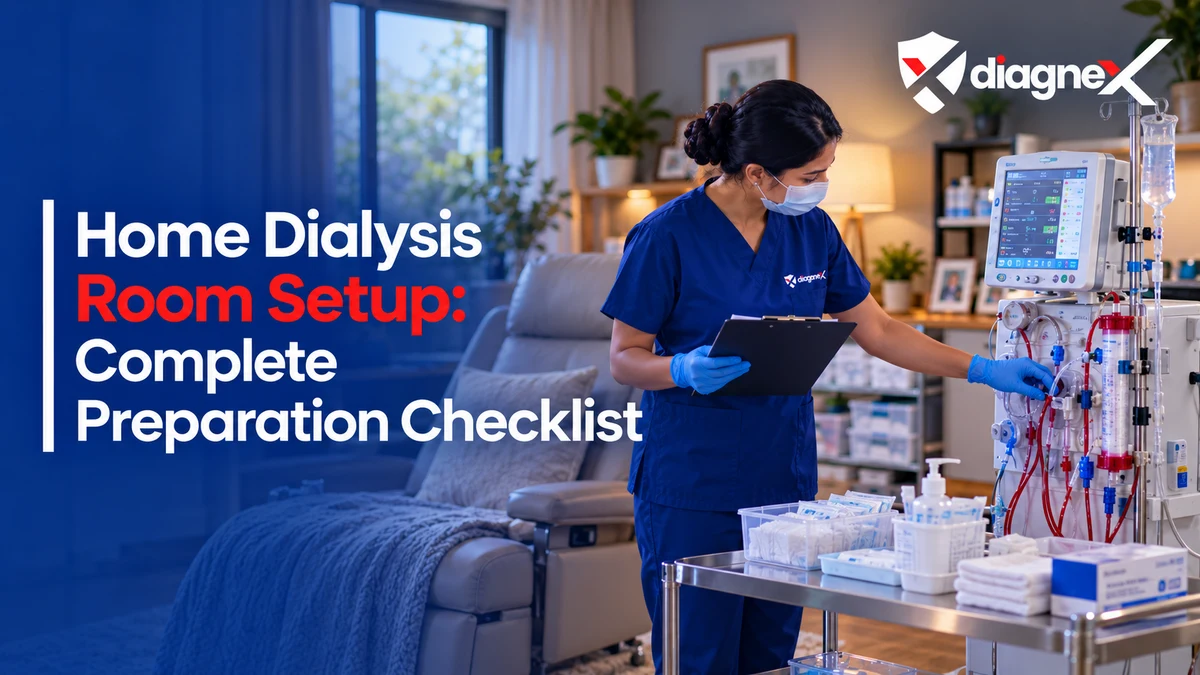

Home hemodialysis can require a reliable water supply, but the exact water requirement depends on the dialysis machine and how that system prepares dialysate. Some systems use an integrated water-purification process, some use a separate treatment setup, and some may use pre-prepared fluids instead of producing all dialysate from household water. For families, the key point is that ordinary tap water cannot simply be connected to any dialysis machine without confirming the system's source-water, plumbing, drainage and treatment requirements.
Why Water Planning Matters for Home Hemodialysis
Hemodialysis exposes the patient indirectly to large volumes of water through the dialysate pathway. Because of this, water used by the dialysis system must meet the quality requirements defined for that equipment and treatment setup. Home dialysis water requirements therefore involve more than having a nearby tap.
What Does 'Water Requirement' Mean in Home Dialysis?
- Source-water quality
- Water pressure
- Water flow
- Water temperature
- Plumbing connection
- Water purification
- Drainage
- Testing and maintenance
Do All Home Hemodialysis Machines Need the Same Water Setup?
No. Different systems can use water in different ways, so the installation plan should follow the specific machine selected by the nephrology and home dialysis team. Families should not copy another patient's plumbing or RO setup without confirming compatibility.
1. Identify the Exact Dialysis System First
- Acceptable source water
- Required inlet pressure
- Required flow
- Acceptable temperature range
- Drain requirements
- Whether separate water treatment is needed
2. Understand Source Water vs Treated Water
Source water is the household water entering the dialysis setup. Treated or product water is water that has passed through the system's required purification process before it is used to prepare dialysate. The source water and the treated water do not have the same quality requirements. For more on the practical service arrangements, review dialysis on wheels before deciding what information the care team needs.
3. Do Not Assume Drinking Water Is Dialysis-Ready
4. Confirm the Household Water Source
5. Test Source Water When Required
Some home hemodialysis systems require source-water testing before installation or use. Testing may look at chemical or other water-quality characteristics specified by the equipment provider. The exact test panel and acceptable limits should come from the machine's official instructions and the home dialysis programme.
6. Understand the Role of Water Pressure
The water-treatment system may require water to arrive within a defined pressure range. Pressure that is too low or unstable can interfere with treatment-system operation. The acceptable pressure range is machine-specific and should not be guessed.
7. Understand the Role of Water Flow
8. Check Water Temperature Requirements
Some systems specify an acceptable incoming water-temperature range. Very hot or very cold source water may not be suitable for the equipment. Follow the installation specification rather than trying to manually adjust water temperature during treatment.
9. Plan the Plumbing Connection
10. Plan Drainage at the Same Time
Water entering the system is only one half of the plumbing plan. The dialysis setup also needs an appropriate route for wastewater and drain output. The drain arrangement should follow the equipment installation instructions. If the family is considering support at home, the Diagnex guide to home nursing explains the service pathway and its limits.
11. Understand What an RO System Does
12. A Household RO System Is Not Automatically a Dialysis RO System
13. Some Dialysis Machines Have Integrated Water Purification
14. Some Systems May Use Pre-Prepared Dialysate
15. Understand Pretreatment Components
16. Chlorine and Chloramine Control Matters
Disinfectants used in public water supplies can be important in dialysis water treatment. The home dialysis system may include treatment and testing steps to ensure the final water meets the required limits. Families should follow the machine-specific testing method and schedule provided during training.
17. Chemical Contaminants Are Also Considered
18. Microbiological Quality Also Matters
19. Follow the Required Disinfection Routine
Water-treatment components and dialysis equipment may require scheduled disinfection. The patient or caregiver should be trained in the exact process for the installed system. Do not substitute household cleaning chemicals or alter the disinfection method.
20. Replace Filters and Consumables on Schedule
- Which components require replacement
- How often they are checked
- Who replaces them
- What alarms or signs indicate a problem
21. Plan for Water Rejected by the Treatment Process
22. Do Not Estimate Treatment Water Consumption From Dialysate Volume Alone
23. Check Whether the Building Can Supply Stable Water Pressure
24. Plan for Water-Supply Interruptions
Families should know what to do if household water is unavailable before or during a planned treatment. The emergency plan should clarify whether treatment should be delayed, stopped or moved to another setting. Do not improvise by connecting an unapproved alternative water source.
25. Bottled Drinking Water Is Not an Automatic Substitute
26. Watch for Changes in Water Appearance or Supply
27. Keep Water Connections Accessible
28. Protect the Treatment Area From Leaks
- Visible connections
- Suitable flooring
- Clear access to shutoff valves
- Keeping electrical equipment protected from water
29. Coordinate Water and Electrical Planning
30. Use Qualified Professionals for Plumbing Changes
What Should Families Ask About an RO System for Home Dialysis?
- Is the RO unit integrated or separate?
- What source-water quality does it require?
- What pressure and flow does it need?
- What filters or pretreatment are required?
- How is the system disinfected?
- How often are consumables replaced?
- What testing is required?
What Water Testing May Be Required at Home?
Testing depends on the home hemodialysis system and local programme. It may include checks of source water before installation and system-specific checks of treated water during ongoing use. The patient and caregiver should be trained only in the tests that are part of their approved home programme.
Who Is Responsible for Water Quality?
What If Water Testing Fails?
What If the RO System Alarms?
Can the Same RO System Be Used for Drinking Water and Dialysis?
Does Home Hemodialysis Always Need Permanent Plumbing Changes?
Not necessarily. The need for permanent plumbing depends on the machine, water-treatment method and home setup. Some systems may have simpler connection requirements than conventional configurations, but these still need to follow the installation instructions. For care planning beyond this article, compare kidney care with the instructions already given by the treating professional.
How Much Water Does Home Hemodialysis Use?
There is no single number that applies to every system. Water use can vary with treatment duration, dialysate production method, purification efficiency, disinfection cycles and the specific machine. Ask the provider for expected household water consumption for the selected system.
Home Dialysis Water Requirements Checklist
- Dialysis machine selected
- Source-water requirements confirmed
- Water source disclosed and assessed
- Required testing completed
- Water pressure confirmed
- Water flow confirmed
- Water temperature requirements confirmed
- Plumbing connection installed
- Drainage installed
- Water-treatment or RO system approved
- Disinfection routine understood
- Filter replacement plan understood
- Water-failure emergency plan understood
- Leak and electrical safety considered
Water Requirements and Home Dialysis Suitability
The Bottom Line
So, what are the water requirements for home hemodialysis? They depend on the dialysis machine, water-treatment method and household source water. Families should confirm source-water quality, pressure, flow, temperature, plumbing, drainage, purification, testing and maintenance before treatment begins.
An RO system may be part of the setup, but a standard household RO purifier should not be assumed suitable for dialysis. The approved water-treatment system must match the dialysis equipment and home programme. The safest approach is to complete the water assessment with the home dialysis provider and installation team before making permanent plumbing changes.
Frequently Asked Questions
Does home hemodialysis need an RO system?
Can normal tap water be used for home hemodialysis?
Can I use my household drinking-water RO purifier for dialysis?
Does home dialysis need a drain?
How much water does home hemodialysis use?
What happens if the water supply stops during home dialysis?
How is dialysis water tested at home?
Who should install the water connections for home dialysis?
Diagnex publishes general healthcare information to support care planning. Individual decisions about diagnosis, prescriptions and treatment remain with the treating professional. Read our medical content policy and editorial standards.